___________________________________________________________________ The above message was distributed by /News Boquete/, a free subscription-based community service. /News Boquete/'s _*ONLY*_ public email address is news.boquete@gmail.com. For more info and use policy, visit https://www.dropbox.com/s/24y1vz2vae9iaen/News_Boquete_Policy.pdf?dl=0. *If replying to this message, reply *_ONLY_* to the *_ORIGINATOR_* (typically your email's 'Reply To' function works; do not use 'Reply All').* To stop receiving these emails, send a message to news.boquete@gmail.com with the word /_unsubscribe_/ in the subject line or body of the message. © 2005-2026, /News Boquete/. All rights reserved. Public redistribution strictly prohibited without prior written permission.

Sunday, October 25, 2026

[News Boquete] TANGO: A SECOND CHANCE FOR A HEART THAT NEVER STOPPED TRUSTING
TANGO: A SECOND CHANCE FOR A HEART THAT NEVER STOPPED TRUSTING Some stories remind us why we continue rescuing animals, even when the journey is difficult. Tango’s story is one of them. Tango arrived at DogCamp Boquete in August 2019. He was a gentle, affectionate dog with a beautiful spirit and a strong desire to live. Although he was already suffering from arthritis, he still enjoyed life's simplest pleasures: walking, spending time with other dogs, receiving affection, and feeling loved. In December 2019, Tango was adopted. We truly believed he had finally found a family where he would spend his remaining years surrounded by love, comfort, and care. Sadly, things didn't turn out as we had hoped. Some time later, we received a heartbreaking call. Someone was considering euthanizing a dog because he was having difficulty walking and appeared to be seriously ill. When we received the photographs, our hearts sank. That dog was Tango. Our Tango. Javier immediately went to pick him up and took him to the veterinarian. Despite his arthritis, Tango could still walk, even run a little, and most importantly, he continued showing his beautiful spirit and his desire to enjoy life. The veterinarian confirmed that his condition could be managed with appropriate medication, supplements, and proper care. Tango did not need his life to end. He needed someone willing to care for him. Since then, Tango has remained under DogCamp's protection, receiving the attention, treatment, and affection he deserves. Today, in October 2026, we are sharing his story again, but this time with a very special hope. WE WANT TO FIND TANGO A LOVING HOME. We understand that adopting a senior dog, especially one with arthritis and mobility challenges, requires a special kind of commitment. It takes patience, understanding, compassion, and above all, a heart willing to love unconditionally. We are not looking for a perfect family. We are looking for someone who understands that animals grow old, their bodies change, and their needs become greater. And that these are precisely the moments when they deserve our love the most. Tango has already spent so many years waiting. Our greatest wish is for him to experience the warmth and peace of a real home, to rest beside someone who loves him, and to finally feel that he belongs to a family that will never give up on him. Because senior dogs do not have less love to give. Sometimes, they have the most beautiful kind of love to offer. At DogCamp, we will continue caring for Tango for as long as he needs us. But we know that even the most loving shelter cannot fully replace the comfort, individual attention, and companionship of a family. We would love for Tango's next chapter to be different. A chapter filled with tenderness, security, and the simple happiness of being someone's beloved dog. COULD YOU BE THE PERSON TANGO HAS BEEN WAITING FOR? If you have room in your home and your heart for this special boy, we would love to hear from you. Contact Javier directly via WhatsApp: +507 6965-9423 Even if you cannot adopt Tango, please consider sharing his story. Somewhere out there may be the person who can give him the loving home he deserves. Tango does not need pity. He needs love, dignity, patience, and one more chance to belong. With love and hope, DogCamp Boquete NGO Because rescuing an animal is not simply about saving a life. It is about honoring that life, especially when they grow old and need us the most. 859218193_1443927147239636_5553183039784846526_n.jpg -- ___________________________________________________________________ The above message was distributed by /News Boquete/, a free subscription-based community service. /News Boquete/'s _*ONLY*_ public email address is news.boquete@gmail.com. For more info and use policy, visit https://www.dropbox.com/s/24y1vz2vae9iaen/News_Boquete_Policy.pdf?dl=0. *If replying to this message, reply *_ONLY_* to the *_ORIGINATOR_* (typically your email's 'Reply To' function works; do not use 'Reply All').* To stop receiving these emails, send a message to news.boquete@gmail.com with the word /_unsubscribe_/ in the subject line or body of the message. © 2005-2026, /News Boquete/. All rights reserved. Public redistribution strictly prohibited without prior written permission.
[News Boquete] The legacy: How the Specialty Coffee Revolution Began in Panama.
REPRINTED FROM NEWSROOM PANAMA
Pictured below is Price Peterson, producer and founder of Hacienda La Esmeralda.
In 2004 everything changed, although we didn’t know it. My son Daniel was the first to taste the first Geisha harvest from Hacienda La Esmeralda. The specialty coffee movement was born in the United States between the 1960s and 1970s.
It was driven by pioneers such as Alfred Peet, Erna Knutsen, George Howell, Donald Schoenholt, and the founders of Starbucks. They sought coffees that tasted better than the commercial coffees of that era. My wife and I, owners of Hacienda La Esmeralda, began attending SCAA (Specialty Coffee Association of America) exhibitions in 1988.
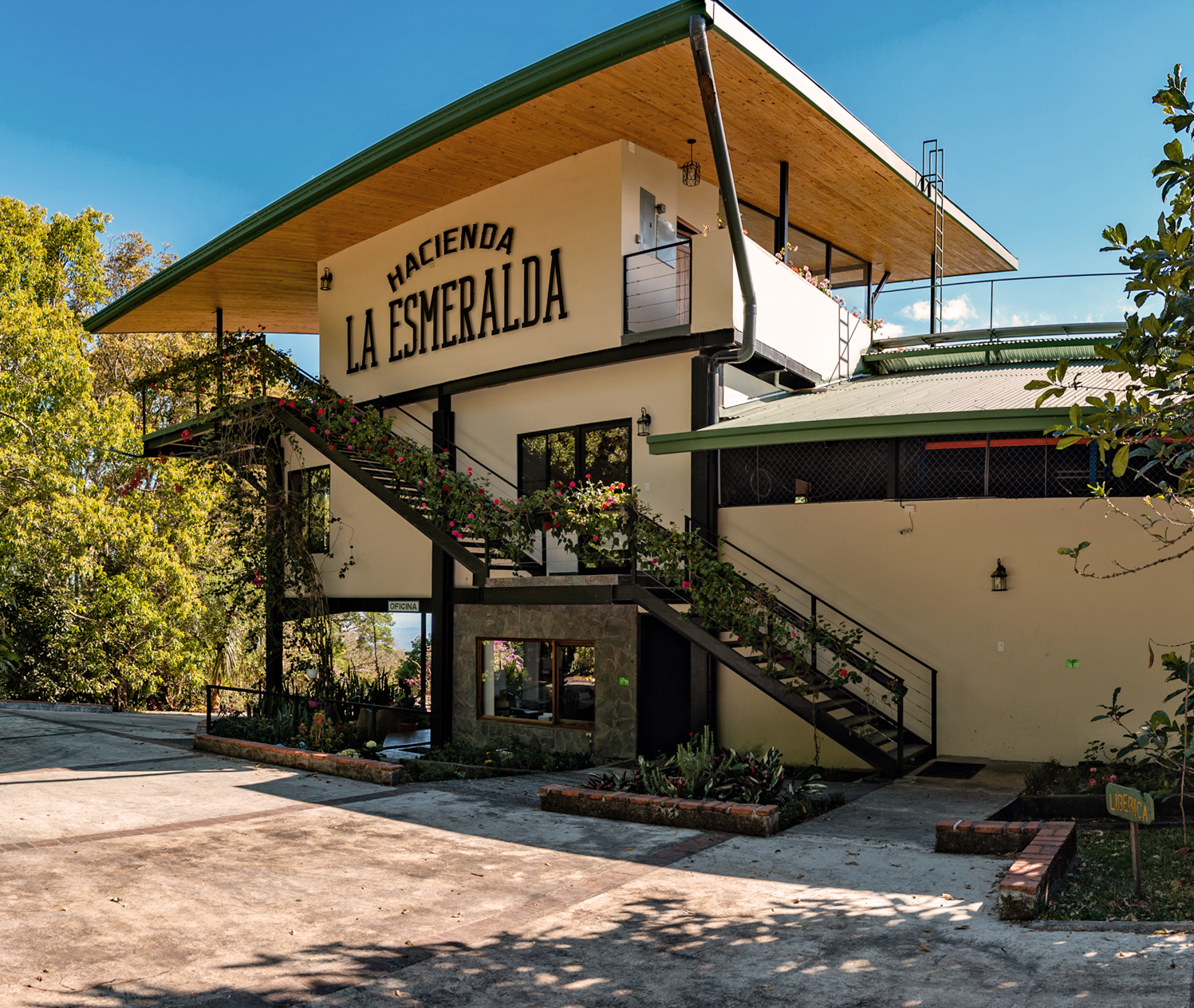
There we met people who talked about floral aromas, citric acidity, and attributes we didn’t know coffee had. “We came from a world where the highest possible volume per hectare was produced at the lowest cost.” The differences in quality were small, but something was beginning. At the same time, in Panama we were learning to live in a free market. Under the ICO (International Coffee Organization) quota system, the price remained between $1.20 and $1.50 per pound. That was enough to cover expenses and make a small profit. In 1989 the member countries failed to reach an agreement, the United States withdrew its support and the quotas were suspended.
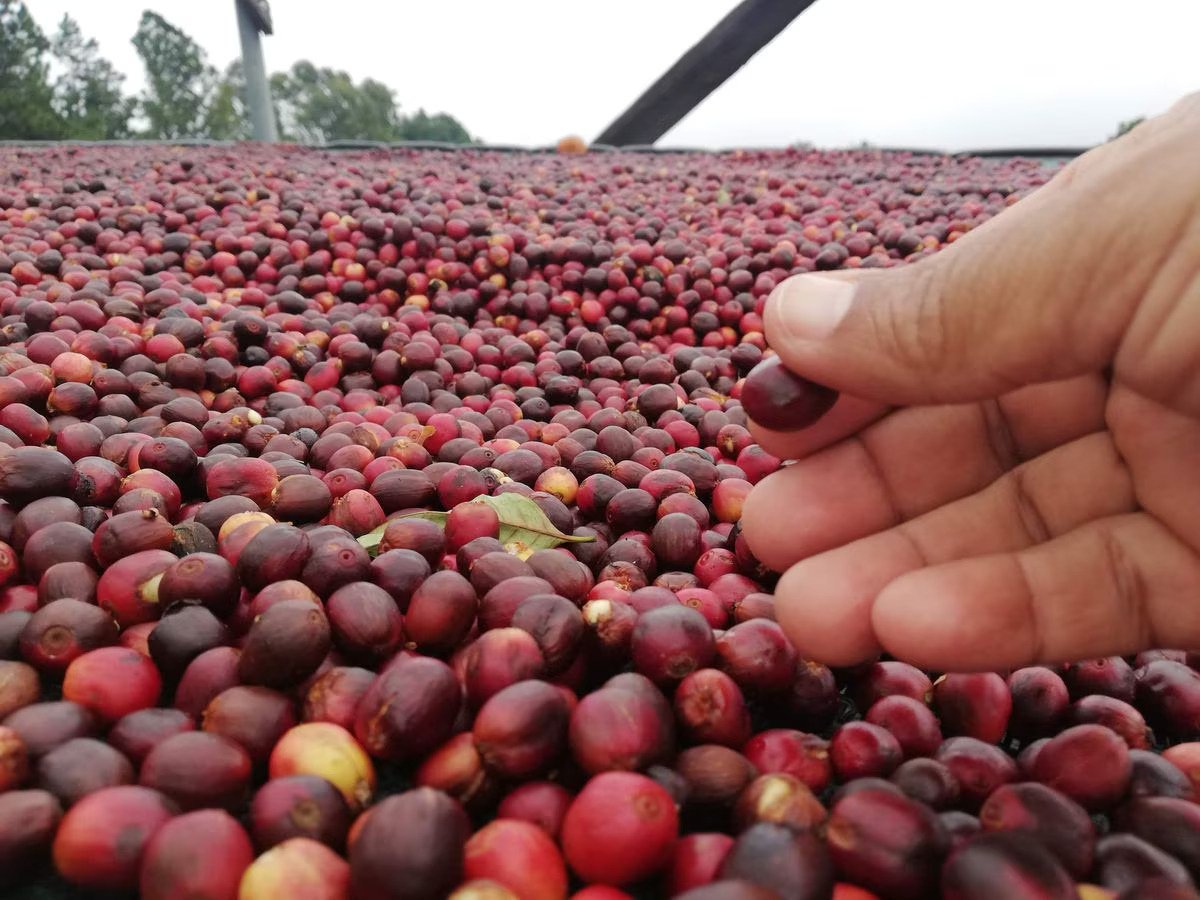
The price plummeted and in the following years it reached about 50 cents a pound. “Necessity is the mother of invention.” That’s how the Specialty Coffee Association of Panama was born. It was formally established in 1996. “We were seven producers with the same vision: to differentiate our coffee by its quality.” The roasters told us we had that quality, but we still didn’t understand it. Renowned roasters, such as George Howell, came to help us understand what they were looking for.
In January 1997, we held the first Best of Panama (BOP). It was a simple cupping, without an auction. The prize was being able to say, “I have the best coffee in Panama.” In 2002, in the midst of one of the worst coffee crises, we held the first BOP auction. While the New York Stock Exchange was paying $0.56 per pound, BOP coffee reached $2.25. In 2004 everything changed, although we didn’t know it. My son Daniel was the first to taste the first Geisha harvest from Hacienda La Esmeralda.
“It was so different from conventional coffee that we almost didn’t present it to the competition. Nobody had ever talked about jasmine aroma or peach flavor in Panamanian coffee.” He won the BOP with ease and broke his first auction record: $21.00 per pound. The stock market remained at $0.81, below the cost of production in Panama. Coffee is a very family-oriented industry . In 2005, my daughter Rachel joined Hacienda La Esmeralda to help us sell this new and unusual coffee.
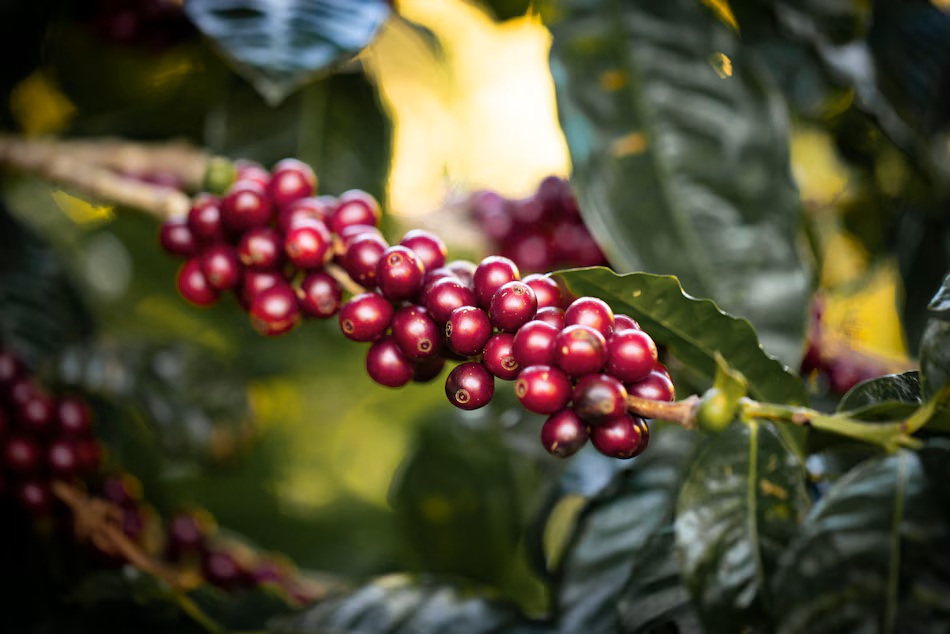
Moving from a commercial producer to a producer of a high-value experience takes time. Rachel has played a key role in raising awareness of our coffee and Panamanian coffee. She first experienced the product through her own taste. Then she shared the message with consumers. This transformation is renewed every year. It’s a dynamic market, and a lot of teamwork is required to make every coffee experience enjoyable.
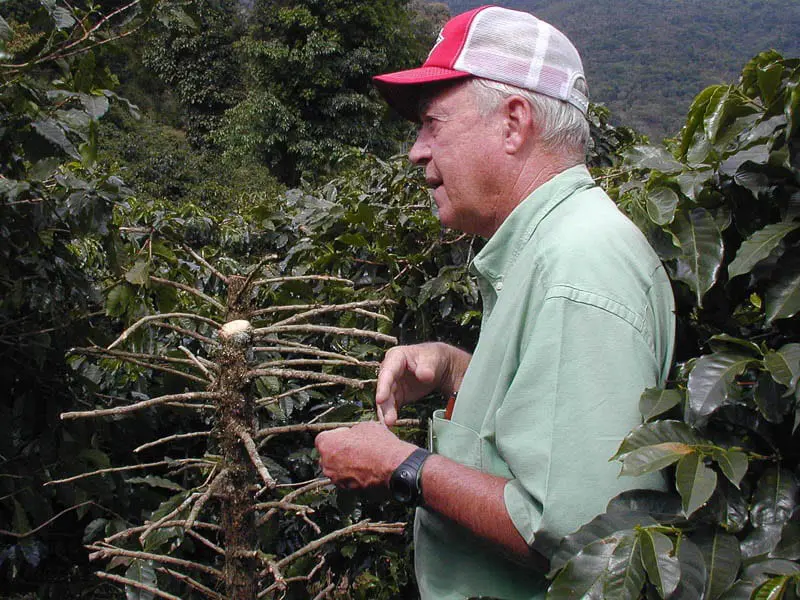
Price Peterson, coffee producer and founder of Hacienda La Esmeralda.
___________________________________________________________________
The above message was distributed by News Boquete, a free subscription-based community service.
News Boquete's ONLY public email address is news.boquete@gmail.com.
For more info and use policy, visit https://www.dropbox.com/s/24y1vz2vae9iaen/News_Boquete_Policy.pdf?dl=0.
If replying to this message, reply ONLY to the ORIGINATOR (typically your email's 'Reply To' function works; do not use 'Reply All').
To stop receiving these emails, send a message to news.boquete@gmail.com with the word unsubscribe in the subject line or body of the message.
© 2005-2026, News Boquete. All rights reserved. Public redistribution strictly prohibited without prior written permission.
Friday, October 23, 2026
[News Boquete] BE PREPARED free seminar coming soon
🧡 BE PREPARED: PLAN TODAY, BE READY TOMORROW!🧡 Being prepared can make all the difference when an unexpected situation arises. Join Boquete Hospice & Health for our Be Prepared Workshop, where you’ll learn practical tips to help you feel more confident and ready to face life’s unexpected moments. 📅 **Wednesday, November 11** 🕘 **9:00 AM – 11:00 AM** 📍 **Amigos de los Animales, Boquete** 📝 **Registration is open!** Sign up using the link below or scan the QR code on the event flyer. 🔗 https://forms.gle/eiRDfKNz75F1nr16A 💜 Come learn, connect with your community, and take a positive step toward being prepared! BE PREPARED BOOKS will be available for a 10.00 dollar donation the day of the event. For more information, contact BHH via WhatsApp at +507 6781-9250. #BoqueteHospiceAndHealth #BePrepared ___________________________________________________________________ The above message was distributed by /News Boquete/, a free subscription-based community service. /News Boquete/'s _*ONLY*_ public email address is news.boquete@gmail.com. For more info and use policy, visit https://www.dropbox.com/s/24y1vz2vae9iaen/News_Boquete_Policy.pdf?dl=0. *If replying to this message, reply *_ONLY_* to the *_ORIGINATOR_* (typically your email's 'Reply To' function works; do not use 'Reply All').* To stop receiving these emails, send a message to news.boquete@gmail.com with the word /_unsubscribe_/ in the subject line or body of the message. © 2005-2026, /News Boquete/. All rights reserved. Public redistribution strictly prohibited without prior written permission.
[News Boquete] The Handicap Foundation wants your fixable electronics
___________________________________________________________________ The above message was distributed by /News Boquete/, a free subscription-based community service. /News Boquete/'s _*ONLY*_ public email address is news.boquete@gmail.com. For more info and use policy, visit https://www.dropbox.com/s/24y1vz2vae9iaen/News_Boquete_Policy.pdf?dl=0. *If replying to this message, reply *_ONLY_* to the *_ORIGINATOR_* (typically your email's 'Reply To' function works; do not use 'Reply All').* To stop receiving these emails, send a message to news.boquete@gmail.com with the word /_unsubscribe_/ in the subject line or body of the message. © 2005-2026, /News Boquete/. All rights reserved. Public redistribution strictly prohibited without prior written permission.
[News Boquete] Fwd: Avanza Futuro Panama
*Do you know someone who could benefit from learning a practical trade?* Avanza Futuro Panamá is starting a *6-month practical Electrical course on November 6* at the Potrerillos Community Center. No previous experience is required. The course has a value of *$900*, and the Rotary Sunset Club of Boquete will be awarding *50% scholarships to eligible students*, reducing the approved student's contribution to $450, payable at $75 per month. This may be ideal for an employee, gardener, maintenance worker, neighbour, friend, or family member who wants the opportunity to learn a practical skill and improve their future prospects. *Please share the Spanish flyer with anyone you think could benefit.* More information and registration: https://rotarysunsetclubofboquete.com/avanza-futuro-panama Avanza Futuro_ Curso de Electricidad.jpg ___________________________________________________________________ The above message was distributed by /News Boquete/, a free subscription-based community service. /News Boquete/'s _*ONLY*_ public email address is news.boquete@gmail.com. For more info and use policy, visit https://www.dropbox.com/s/24y1vz2vae9iaen/News_Boquete_Policy.pdf?dl=0. *If replying to this message, reply *_ONLY_* to the *_ORIGINATOR_* (typically your email's 'Reply To' function works; do not use 'Reply All').* To stop receiving these emails, send a message to news.boquete@gmail.com with the word /_unsubscribe_/ in the subject line or body of the message. © 2005-2026, /News Boquete/. All rights reserved. Public redistribution strictly prohibited without prior written permission.
Thursday, October 22, 2026
[News Boquete] Launch of new church in Boquete
> > ___________________________________________________________________ > The above message was distributed by /News Boquete/, a free > subscription-based community service. > /News Boquete/'s _*ONLY*_ public email address is > news.boquete@gmail.com. > For more info and use policy, visit > https://www.dropbox.com/s/24y1vz2vae9iaen/News_Boquete_Policy.pdf?dl=0. > > *If replying to this message, reply *_ONLY_* to the *_ORIGINATOR_* > (typically your email's 'Reply To' function works; do not use > 'Reply All').* > > To stop receiving these emails, send a message to > news.boquete@gmail.com with the word /_unsubscribe_/ in the > subject line or body of the message. > > © 2005-2026, /News Boquete/. All rights reserved. Public > redistribution strictly prohibited without prior written permission. > > >
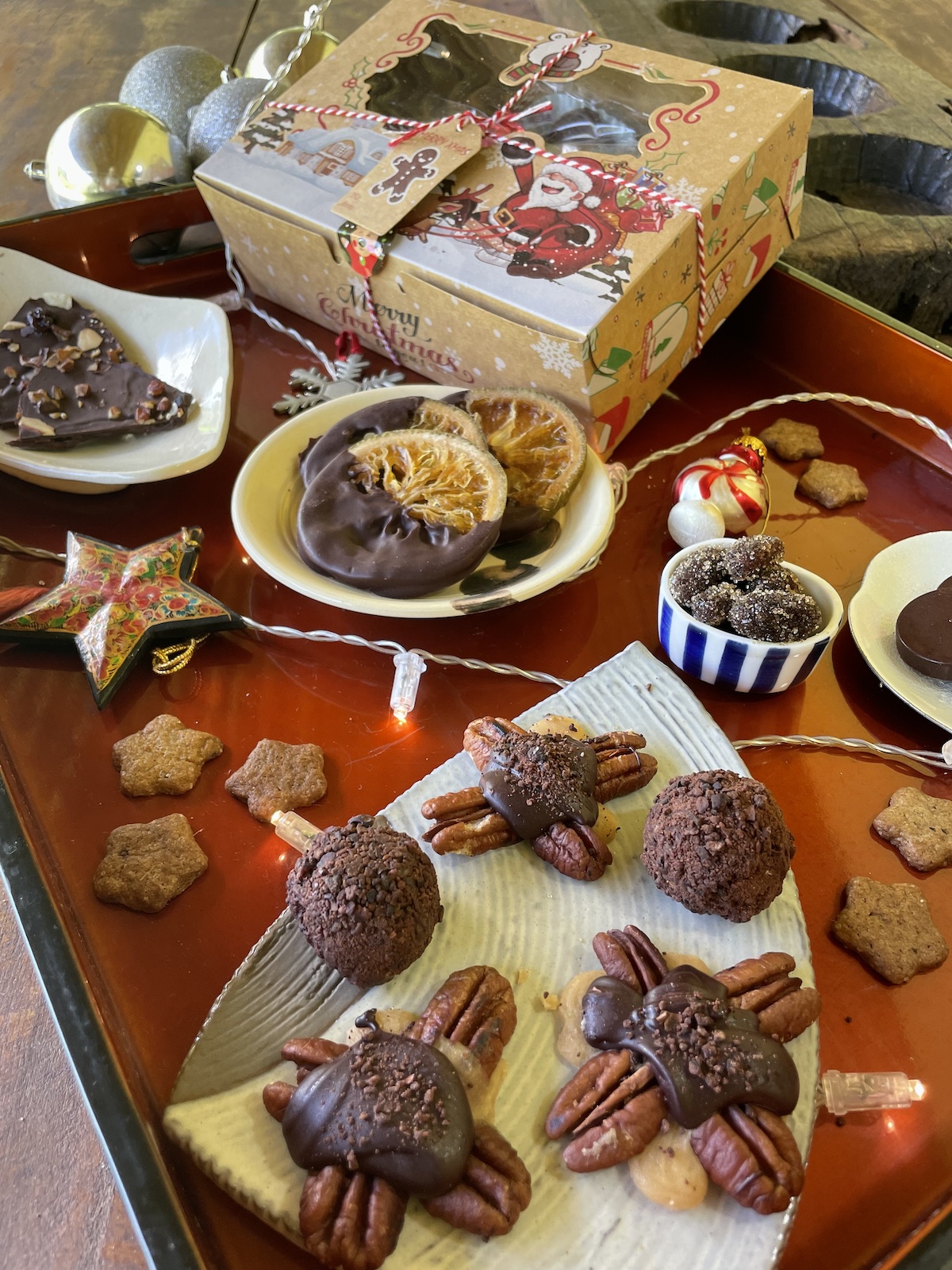
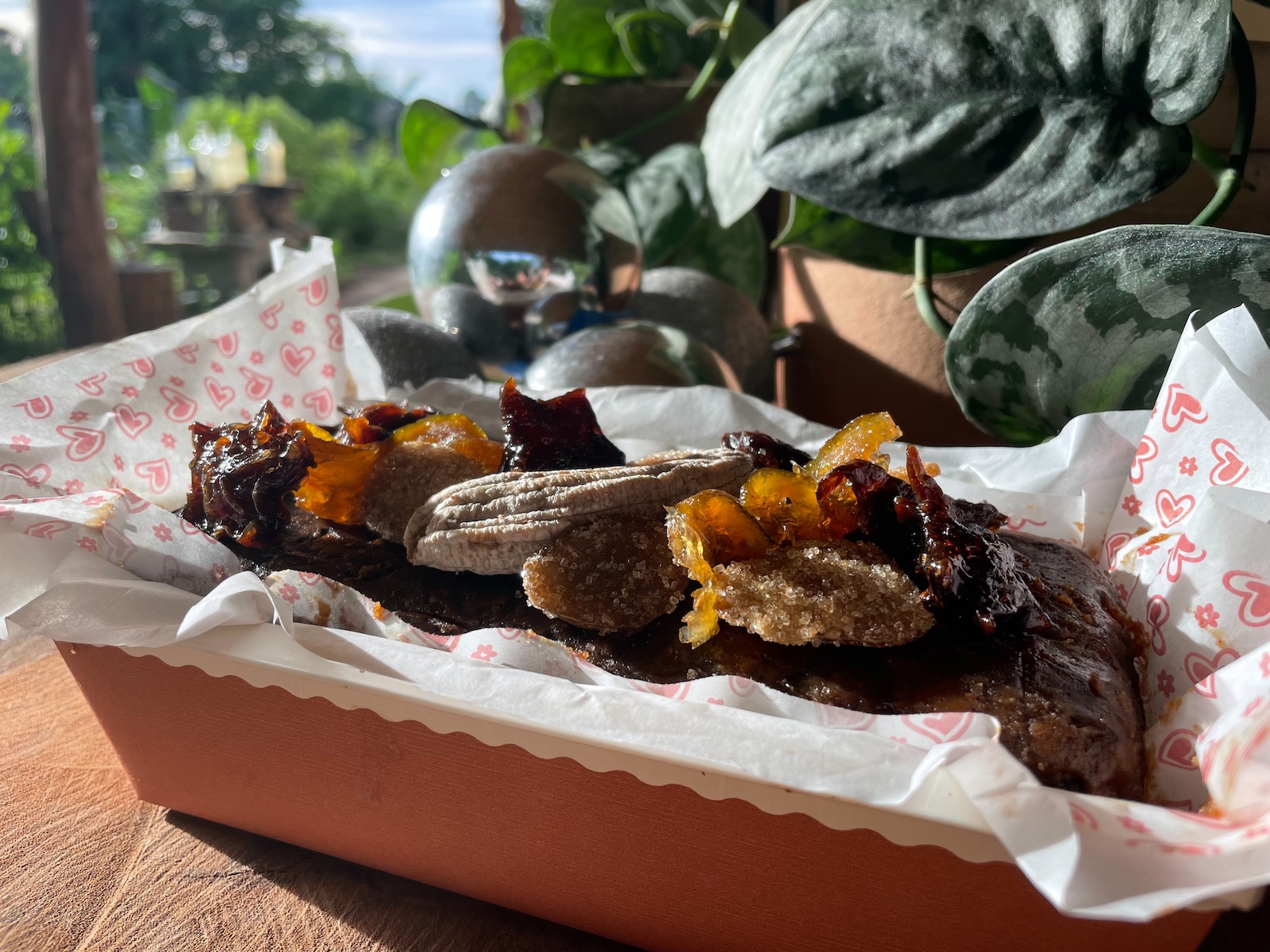
[News Boquete] Holiday Gifts from Chiriquí
|


___________________________________________________________________
The above message was distributed by News Boquete, a free subscription-based community service.
News Boquete's ONLY public email address is news.boquete@gmail.com.
For more info and use policy, visit https://www.dropbox.com/s/24y1vz2vae9iaen/News_Boquete_Policy.pdf?dl=0.
If replying to this message, reply ONLY to the ORIGINATOR (typically your email's 'Reply To' function works; do not use 'Reply All').
To stop receiving these emails, send a message to news.boquete@gmail.com with the word unsubscribe in the subject line or body of the message.
© 2005-2026, News Boquete. All rights reserved. Public redistribution strictly prohibited without prior written permission.
[News Boquete] Avanza Futuro Panama
*Do you know someone who could benefit from learning a practical trade?* Avanza Futuro Panamá is starting a *6-month practical Electrical course on November 6* at the Potrerillos Community Center. No previous experience is required. The course has a value of *$900*, and the Rotary Sunset Club of Boquete will be awarding *50% scholarships to eligible students*, reducing the approved student's contribution to $450, payable at $75 per month. This may be ideal for an employee, gardener, maintenance worker, neighbour, friend, or family member who wants the opportunity to learn a practical skill and improve their future prospects. *Please share the Spanish flyer with anyone you think could benefit.* More information and registration: https://rotarysunsetclubofboquete.com/avanza-futuro-panama Avanza Futuro_ Curso de Electricidad.jpg -- ___________________________________________________________________ The above message was distributed by /News Boquete/, a free subscription-based community service. /News Boquete/'s _*ONLY*_ public email address is news.boquete@gmail.com. For more info and use policy, visit https://www.dropbox.com/s/24y1vz2vae9iaen/News_Boquete_Policy.pdf?dl=0. *If replying to this message, reply *_ONLY_* to the *_ORIGINATOR_* (typically your email's 'Reply To' function works; do not use 'Reply All').* To stop receiving these emails, send a message to news.boquete@gmail.com with the word /_unsubscribe_/ in the subject line or body of the message. © 2005-2026, /News Boquete/. All rights reserved. Public redistribution strictly prohibited without prior written permission.
[News Boquete] Be Prepared Free Seminar
🧡 BE PREPARED: PLAN TODAY, BE READY TOMORROW!🧡 Being prepared can make all the difference when an unexpected situation arises. Join Boquete Hospice & Health for our Be Prepared Workshop, where you’ll learn practical tips to help you feel more confident and ready to face life’s unexpected moments. 📅 **Wednesday, November 11** 🕘 **9:00 AM – 11:00 AM** 📍 **Amigos de los Animales, Boquete** 📝 **Registration is open!** Sign up using the link below or scan the QR code on the event flyer. 🔗https://forms.gle/eiRDfKNz75F1nr16A <https://forms.gle/eiRDfKNz75F1nr16A> 💜 Come learn, connect with your community, and take a positive step toward being prepared! BE PREPARED BOOKS will be available for a 10.00 dollar donation the day of the event. For more information, contact BHH via WhatsApp at +507 6781-9250. #BoqueteHospiceAndHealth #BePrepared #CommunityEducation #Boquete #Preparedness ___________________________________________________________________ The above message was distributed by /News Boquete/, a free subscription-based community service. /News Boquete/'s _*ONLY*_ public email address is news.boquete@gmail.com. For more info and use policy, visit https://www.dropbox.com/s/24y1vz2vae9iaen/News_Boquete_Policy.pdf?dl=0. *If replying to this message, reply *_ONLY_* to the *_ORIGINATOR_* (typically your email's 'Reply To' function works; do not use 'Reply All').* To stop receiving these emails, send a message to news.boquete@gmail.com with the word /_unsubscribe_/ in the subject line or body of the message. © 2005-2026, /News Boquete/. All rights reserved. Public redistribution strictly prohibited without prior written permission.